Skin injuries, such as chronic wounds, burns, and surgical incisions, often require specialized treatments to promote healing and prevent complications. Advanced Helicoll Skin Substitutes have emerged as an effective solution for managing these conditions. These innovative biomaterials are designed to accelerate tissue repair, enhance patient comfort, and improve overall outcomes.
Understanding Skin Substitutes
Skin substitutes are bioengineered materials that replace or support damaged skin. They serve as temporary or permanent coverings for wounds, providing essential protection and facilitating new tissue growth. These substitutes are commonly used in cases where natural healing is slow or when traditional treatments are insufficient.
How Do Skin Substitutes Work?
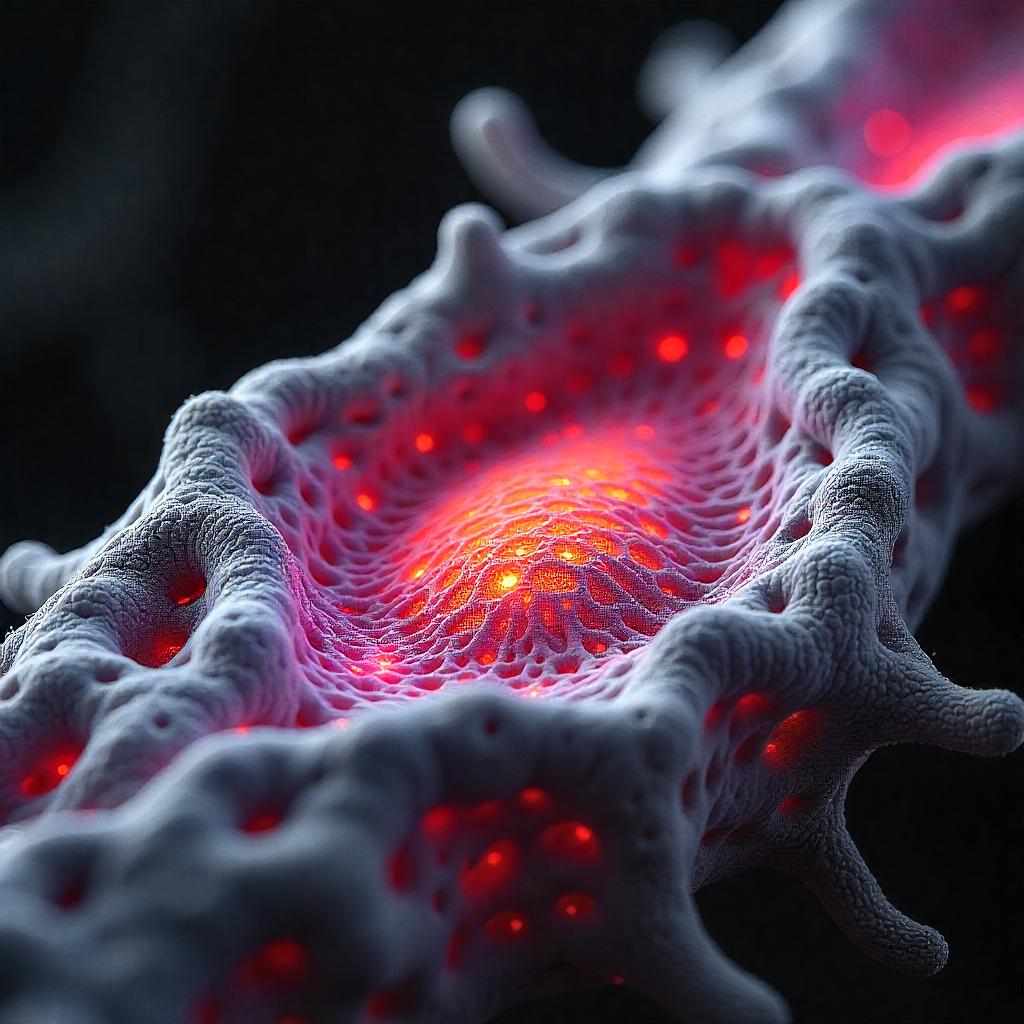
Skin substitutes mimic the properties of natural skin, offering structural support and promoting the regeneration of damaged tissues. They help maintain a moist wound environment, reduce the risk of infection, and minimize scarring. Depending on their composition, these substitutes may be derived from human, animal, or synthetic sources.
Key Benefits of Advanced Skin Substitutes
Accelerated Healing – Skin substitutes promote faster recovery by providing a conducive environment for cell growth and collagen formation.
Reduced Pain and Discomfort – By covering exposed wounds, they help alleviate pain and improve patient comfort.
Lower Risk of Infection – These substitutes act as a protective barrier against harmful bacteria and environmental contaminants.
Minimized Scarring – By encouraging organized tissue regeneration, they help reduce the appearance of scars.
Versatile Applications – Skin substitutes can be used for various conditions, including burns, diabetic ulcers, and surgical wounds.
Types of Skin Substitutes
Skin substitutes come in different forms, depending on their source and intended use. The main categories include:
Biological Substitutes – Derived from human or animal tissues, these substitutes integrate well with the body and support natural healing.
Synthetic Substitutes – Made from biocompatible materials, these offer durability and consistent quality.
Hybrid Substitutes – A combination of biological and synthetic elements, these provide the advantages of both types.
Choosing the Right Skin Substitute
Selecting the appropriate skin substitute depends on various factors, including the type of wound, patient health, and treatment goals. Healthcare providers assess each case individually to determine the best option for optimal healing and long-term success.
Conclusion
Innovative solutions like Helicoll Skin Substitutes have revolutionized wound care, offering patients faster healing and better outcomes. As medical technology advances, these substitutes continue to play a crucial role in managing complex wounds. For those seeking high-quality biologic wound care solutions, Life Biologics remains a trusted provider dedicated to improving patient health and recovery.


Write a comment ...